
Beyond the Traffic Jam: A Deep Dive into the F5 BIG-LTM-2000S
Have you ever stared at a server log watching traffic spike, only to see your application crawl to a halt? It is the classic bottleneck nightmare. You have the bandwidth, but your hardware cannot process the handshake fast enough to keep the digital doors open. This is usually where the conversation about the
F5 BIG-LTM-2000S begins—not as a shiny new toy, but as a potential savior for a stressed-out data center. This device is not just a piece of metal; it is a dedicated traffic cop designed to manage the chaos of Layer 4 to Layer 7 network traffic. It sits between your users and your servers, intelligently directing requests to ensure that no single server gets overwhelmed while others sit idle. It is the backbone of application availability, ensuring that when a customer clicks "buy" or "login," the action happens instantly, regardless of what is happening in the background.

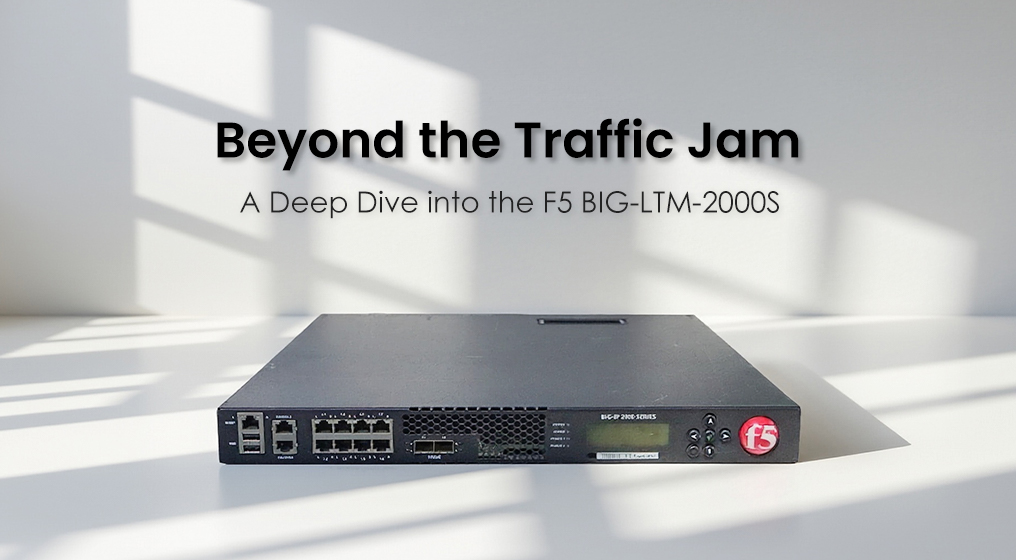
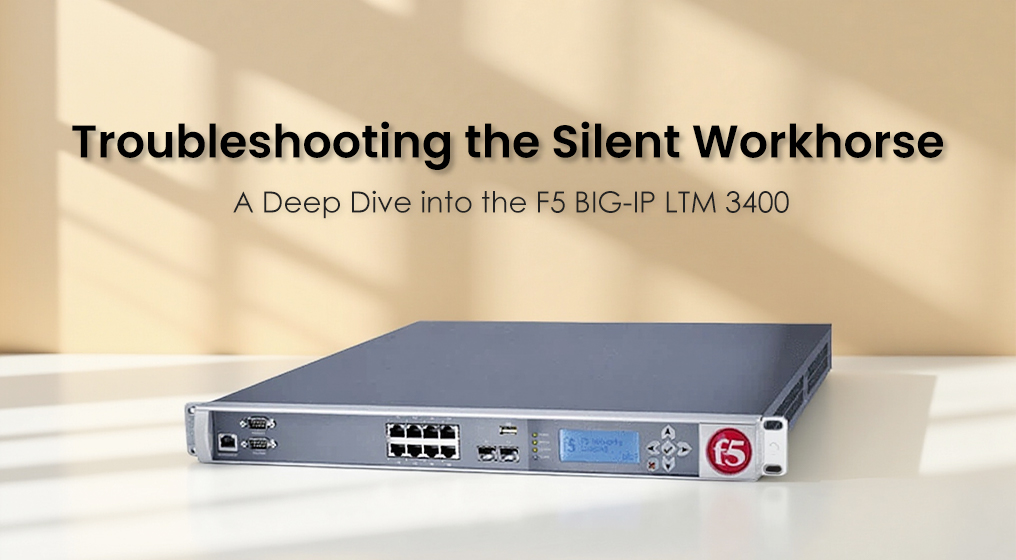
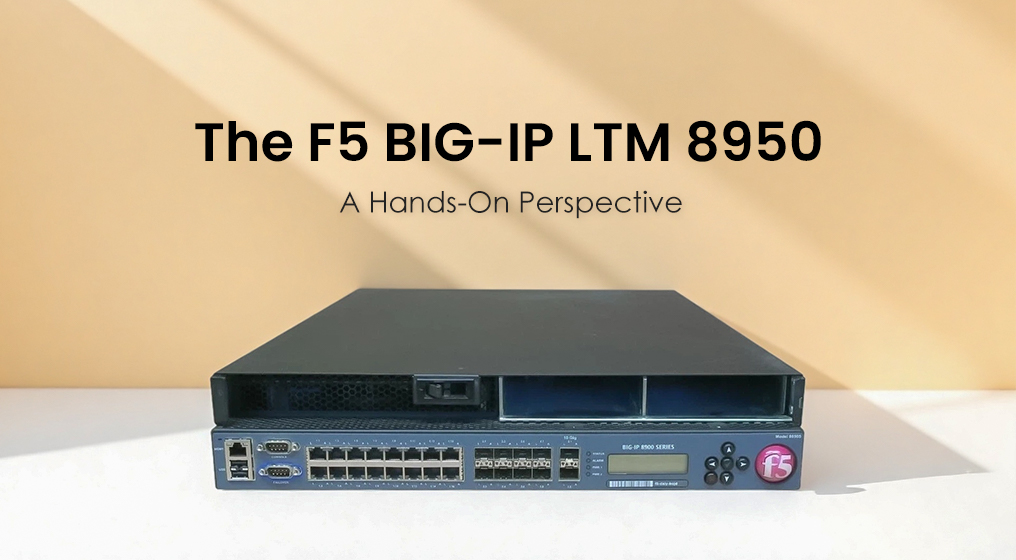
When you first rack this unit, the physical presence is surprisingly understated. It is a standard 1U chassis, meaning it slides into a standard server rack without taking up excessive vertical space. It feels dense and industrial, weighing in at roughly 9.1 kg, which gives it a solid, reliable feel rather than a flimsy consumer-grade vibe. The front panel is utilitarian, featuring status LEDs that blink with the rhythm of your network activity. It is designed to disappear into the rack, humming quietly with its 400W power supply. It is built for the server room, not the desktop, prioritizing airflow and density over aesthetics.
The real story, however, lies in the silicon and the throughput. This machine is built to handle the heavy lifting of modern web traffic. At its heart, it runs on an Intel dual-core processor paired with 8GB of RAM, which might sound modest by today's desktop standards, but in the world of specialized Application Delivery Controllers (ADCs), it is tuned for efficiency. It boasts a throughput of 5 Gbps, which is substantial for mid-sized enterprise environments. Perhaps more importantly for secure applications, it includes hardware-accelerated SSL processing capable of handling 2,000 Transactions Per Second (TPS). This offloads the encryption burden from your web servers, allowing them to focus on serving content rather than doing math.
| Core Specification |
Detail |
| Processor Architecture |
Intel Dual-Core |
| System Memory |
8 GB |
| Storage Capacity |
500 GB Hard Drive |
| Network Interfaces |
8 x Gigabit Ethernet (CU ports) |
| Throughput |
5 Gbps |
| SSL Performance |
2,000 TPS (Hardware Accelerated) |
| L7 Request Rate |
212,000 requests per second |
| L4 Connection Rate |
75,000 connections per second |
| Form Factor |
1U Rack-mountable |
Beyond the raw numbers, the user experience is defined by the TMOS operating system. This is where the "intelligence" lives. It allows administrators to create complex rules for traffic management. For instance, if you are running a financial application, the device can natively support FIX (Financial Information Exchange) protocols, ensuring low latency for trading data. If you are worried about security, the hardware includes detection for over 65 types of DoS (Denial of Service) attacks. It can detect a SYN flood and mitigate it in hardware, preventing bad traffic from ever reaching your servers. The "ScaleN" architecture is another user-centric feature, allowing you to virtualize the device. You can partition this single physical box into multiple virtual instances, effectively running different "virtual" load balancers for different departments or clients on the same piece of hardware.
When looking at the ecosystem, the
BIG-LTM-2000S is a mature player. It integrates seamlessly into existing data centers via standard Ethernet ports and supports a wide range of management tools. However, one must consider the lifecycle. As a platform that has served the industry well for years, it represents a specific era of networking. While it supports essential virtualization features like vCMP (Virtual Clustered Multi-Processing), newer models might offer higher densities. Yet, for many, the stability of the software support here is a major draw. It is a known quantity in an industry that fears the unknown.
Is it worth the investment? That depends on how you value stability versus raw, cutting-edge speed. The pros are clear: it offers enterprise-grade reliability, robust security offloading (saving your servers from SSL fatigue), and incredible flexibility through its software. The "full proxy" architecture means it can inspect and manipulate traffic in ways cheaper routers cannot. The cons, however, are typical for this class of hardware. It is complex; you need skilled engineers to configure it properly. It is not a "plug-and-play" home router. Additionally, while the 5 Gbps throughput is solid, massive hyperscale environments might eventually outgrow it, necessitating a move to the larger 10000 or 12000 series.
Ultimately, the
F5 BIG-LTM-2000S is about peace of mind. It is for the administrator who needs to guarantee that an application is up, fast, and secure. It transforms a chaotic flood of user requests into a manageable stream, ensuring that the digital experience remains smooth even when the infrastructure is working overtime.