The F5 BIG-IP LTM 3600-4G-R: A Veteran’s Perspective on the "4G" Workhorse
If you have spent enough time in enterprise data centers, you have likely walked past the
F5 BIG-IP LTM 3600 without giving it a second glance. It is the kind of hardware that blends into the background, humming quietly in a 1U rack space, managing the flow of data for critical applications. The specific model ending in "4G-R" tells a story to those who know how to read the silicon: this is a refresh unit, likely equipped with 4GB of memory, designed to handle the mid-range traffic loads that defined the enterprise web in the early 2010s. Using this device today feels like driving a classic car; it lacks the sleek, cloud-native integration of modern appliances, but there is a tactile reliability to it that modern virtual instances often lack.
What It Actually Does
At its heart, the 3600 is a Local Traffic Manager (LTM). You place it between your users and your server farm, acting as the ultimate traffic cop. Its primary job is to ensure that when a user requests a webpage or an application function, that request goes to the server best equipped to handle it. It abstracts the complexity of your backend infrastructure, presenting a single, stable IP address to the world while distributing the load across dozens of servers.
Beyond simple load balancing, it acts as a shield. It terminates SSL connections—taking the heavy mathematical lifting of encryption off your web servers—and inspects traffic for malicious patterns. It creates a buffer between the chaotic public internet and your fragile backend databases, ensuring that a spike in traffic doesn't result in a total system crash.
Physical Presence and Build
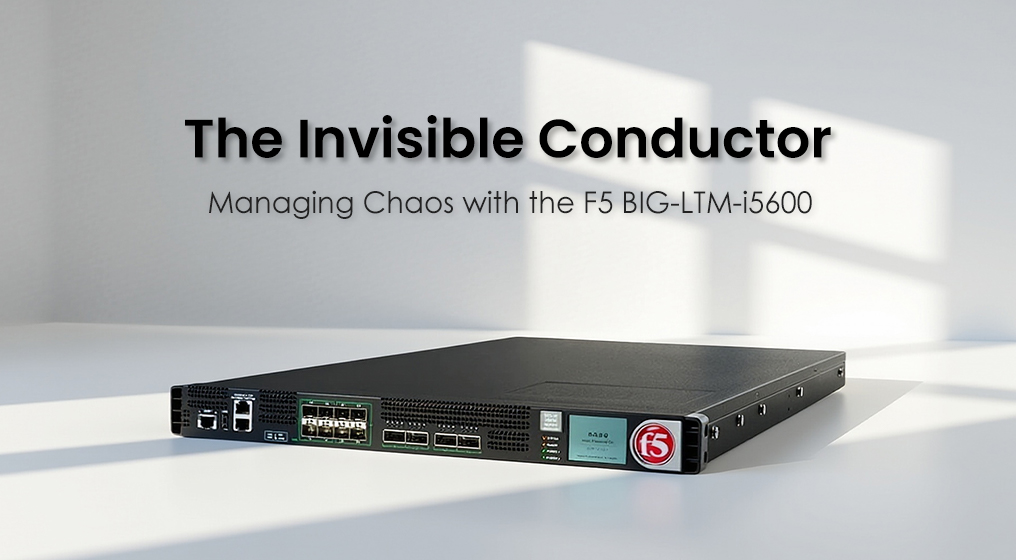
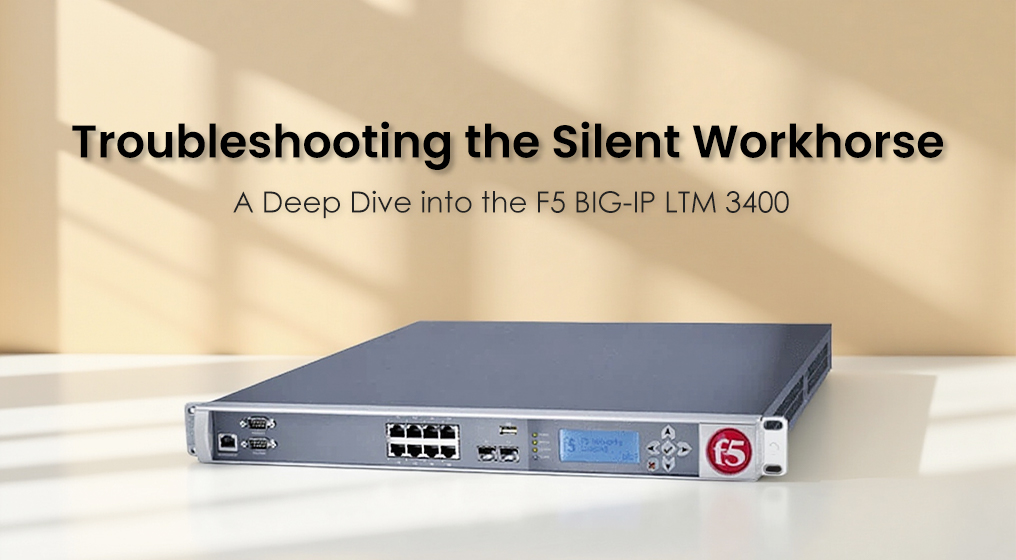
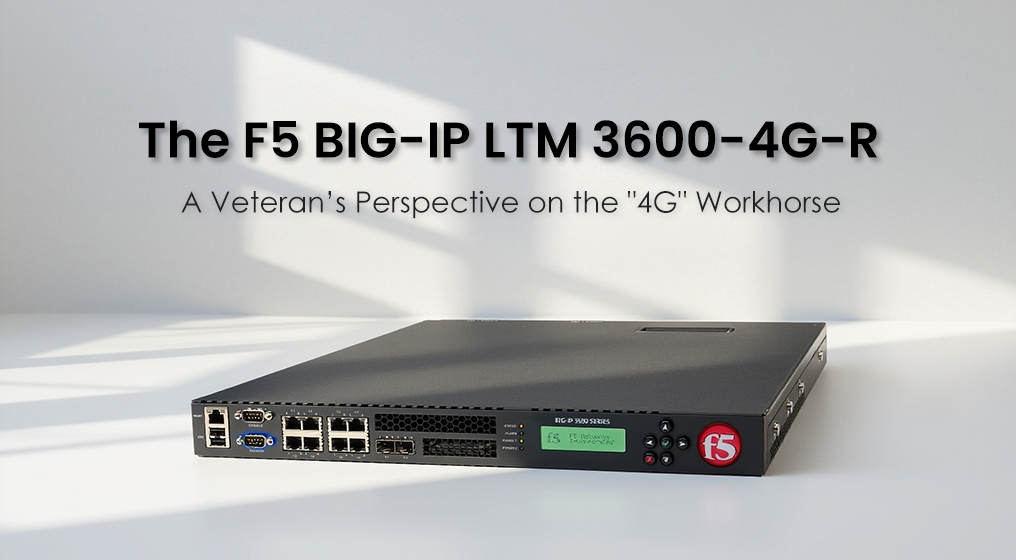
Rack-mounting the 3600 gives you a sense of industrial solidity. It is a dense, 1U chassis that feels heavier than its size suggests. The front panel is utilitarian, typically featuring a status LCD screen that displays system diagnostics (if you know how to scroll through the menus) and a series of LEDs indicating port activity.
The rear is where the connectivity lives. The "4G-R" configuration typically sports a high density of ports—often 8 Gigabit Ethernet copper ports and slots for 2 Gigabit SFP fiber modules. This mix allows network engineers to connect to standard copper switches for server management while using fiber for high-speed uplinks to the core network. The redundant power supplies are hot-swappable, a feature that has saved many admins from a late-night outage when a power supply fan starts to whine and fail.
Performance and Core Specifications
The "4G" in the model name is the key differentiator here. In the era this was released, 4GB of RAM was a significant amount for a traffic manager, allowing it to cache more content and handle more concurrent connections than its 1GB or 2GB siblings. It runs on a single CPU architecture (often a Pentium or Xeon variant from that generation) and typically houses a 500GB hard drive for logging and system storage.
While it is considered legacy hardware now, its throughput capabilities are still respectable for small-to-medium enterprises. It can handle Layer 4 throughput in the range of 2 Gbps, which is enough to saturate a standard internet connection for many businesses.
Here is a breakdown of the core specifications:
| Feature |
Specification |
| Device Type |
Load Balancer / Traffic Manager |
| Processor |
Single CPU Architecture |
| System Memory |
4 GB RAM |
| Storage |
500 GB Hard Drive |
| Throughput |
Layer 4 Throughput up to 2 Gbps |
| Connectivity |
8 x 1GbE Copper, 2 x 1GbE SFP (Fiber) |
| Form Factor |
1U Rack Mount |
Key Functional Features
The user experience with the 3600 is defined by the BIG-IP Operating System (TMOS). This is where the hardware truly shines. The interface allows for deep visibility into traffic patterns, letting you see exactly which server is struggling.
- iRules: This is the "secret sauce" of F5. It allows you to write scripts (based on Tcl) to inspect and manipulate traffic in real-time. You can route traffic based on the content of the URL, the user's browser type, or even the time of day.
- SSL Offloading: By handling the encryption and decryption on the F5 hardware, your web servers are free to focus on serving the application, significantly improving response times.
- OneConnect: This feature multiplexes client connections. It keeps a persistent connection to the server open while handling many short-lived connections from clients, drastically reducing the load on your backend servers.
- Intelligent Compression: It compresses data on the fly using GZIP, saving bandwidth and speeding up page loads for users on slower connections.
Compatibility and Ecosystem
The 3600 is a veteran of the data center, meaning it plays nice with almost everything. It integrates seamlessly into complex ecosystems, supporting standard protocols like BGP, OSPF, and RIP for routing. It works effortlessly with Active Directory for authentication and integrates with various SIEM tools for logging.
However, it is important to note that this specific model has reached its End of Life (EOL). It was officially discontinued around 2021. While it is compatible with many versions of the BIG-IP software, it will not support the absolute latest feature sets found in the "Next" generation of F5 software (like the BIG-IP iSeries). It is best suited for environments running stable, established versions of the OS.
The User Experience: Pros and Cons
Using the
3600-4G-R is a mixed bag of "rock-solid reliability" and "aging hardware realities."
The Good:
- Stability: Once configured, these units are incredibly stable. They are known to run for years without a reboot.
- Traffic Visibility: The GUI provides deep insights into traffic patterns, allowing admins to see exactly which server is struggling.
- Port Density: Having 8 copper ports plus fiber uplinks on a single unit reduces the need for extra top-of-rack switches.
The Bad:
- Age: Since the unit is discontinued, finding new hardware is impossible. You are likely dealing with refurbished units.
- Power Consumption: Compared to modern silicon, the older CPUs and hard drives consume more power and generate more heat.
- Disk Reliability: The spinning rust (HDDs) inside can be a point of failure; many admins replace them with SSDs if possible, though compatibility must be checked.
Value Proposition
In terms of cost-performance, the
3600-4G-R occupies a unique niche. You will not find a price tag on this in a standard store. Its value comes from the secondary market. For a lab environment, a testing sandbox, or a small-to-medium enterprise that needs enterprise-grade traffic management on a budget, a refurbished 3600 offers immense capability for a low acquisition cost.
However, the "Total Cost of Ownership" must factor in the lack of official manufacturer support. If you are running a mission-critical banking application, the risk of running End-of-Life hardware might outweigh the cost savings. But for a DevOps team needing a powerful traffic manager to test iRules and configurations before pushing to production cloud environments, the 3600 remains a highly capable, robust tool.