
Intellectual Property
Hot selling product recommendations
View More




















Wireless Controllers and Switches: Distinct Roles in Network Architecture
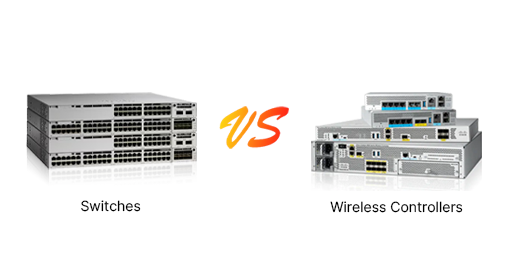
In modern network infrastructure, two critical devices often come into focus: the Wireless Controller (AC) and the Network Switch. While both are essential for connectivity, they fulfill fundamentally different roles. A clear understanding of their distinct purposes and operational domains is crucial for effective network design and implementation.
A Wireless Controller functions as the central management brain for a wireless network, specifically designed to control and coordinate multiple Wireless Access Points (APs). Its primary role is not to forward user data but to manage APs by distributing configurations, optimizing radio frequencies, enforcing security policies, and facilitating seamless roaming for wireless clients. This centralized management model, often referred to as the "AC + Fit AP" architecture, simplifies large-scale wireless deployments by allowing network administrators to manage hundreds of APs from a single interface. The APs themselves remain "thin" or lightweight, relying on the AC for their operational parameters
In contrast, a Network Switch acts as the fundamental interconnectivity backbone for a local area network (LAN). Operating primarily at the data link layer (Layer 2) and often the network layer (Layer 3), a switch is responsible for intelligently forwarding data frames between wired devices based on MAC or IP addresses. It provides the physical ports that connect computers, servers, printers, and, importantly, the APs to the network. Many modern switches also offer Power over Ethernet (PoE) capability, which allows them to deliver electrical power to connected devices like APs and IP cameras over the same Ethernet cable used for data transmission
The following table outlines their core differences for a quick comparison:
|
Feature |
Wireless Controller (AC) |
Network Switch |
|---|---|---|
|
Primary Role |
Centralized management of Wireless Access Points (APs) |
High-speed data forwarding between network devices |
|
Core Function |
AP configuration, RF management, user access control, seamless roaming |
VLAN segmentation, Layer 3 routing, QoS, PoE provisioning |
|
Managed Objects |
APs and wireless clients |
Wired network devices (computers, servers, APs) |
|
Operational Focus |
Control and management plane for the wireless overlay |
Data transport plane for the wired backbone |
|
Deployment Position |
Typically deployed at the aggregation layer |
Deployed at access, aggregation, or core layers |
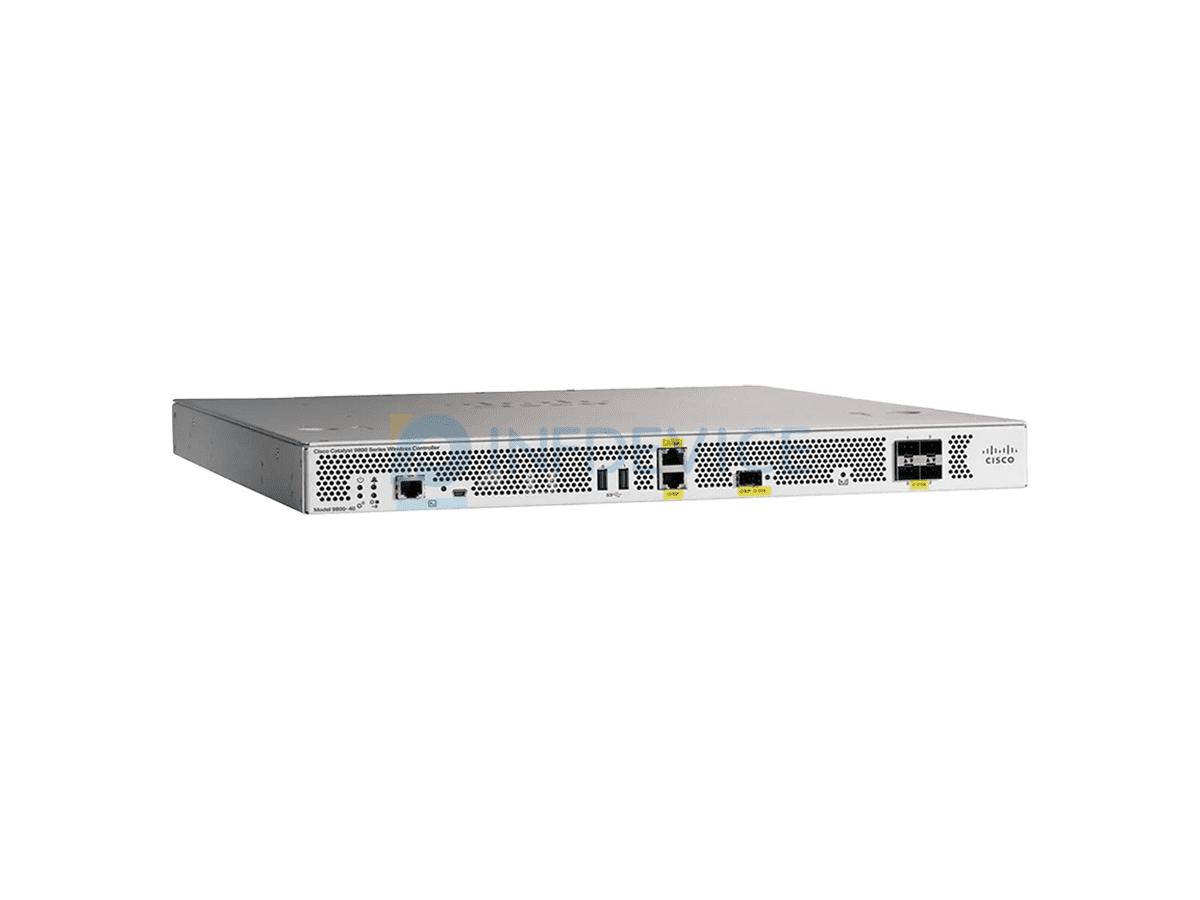
To illustrate these differences with concrete examples, consider the Cisco C9800-40-K9 and the Cisco C9300-48U-A. The C9800-40-K9 is a robust hardware-based Wireless Controller. Its value lies in its sophisticated software that can manage thousands of APs and tens of thousands of concurrent wireless clients, providing advanced features like application visibility, security analytics, and automated RF optimization
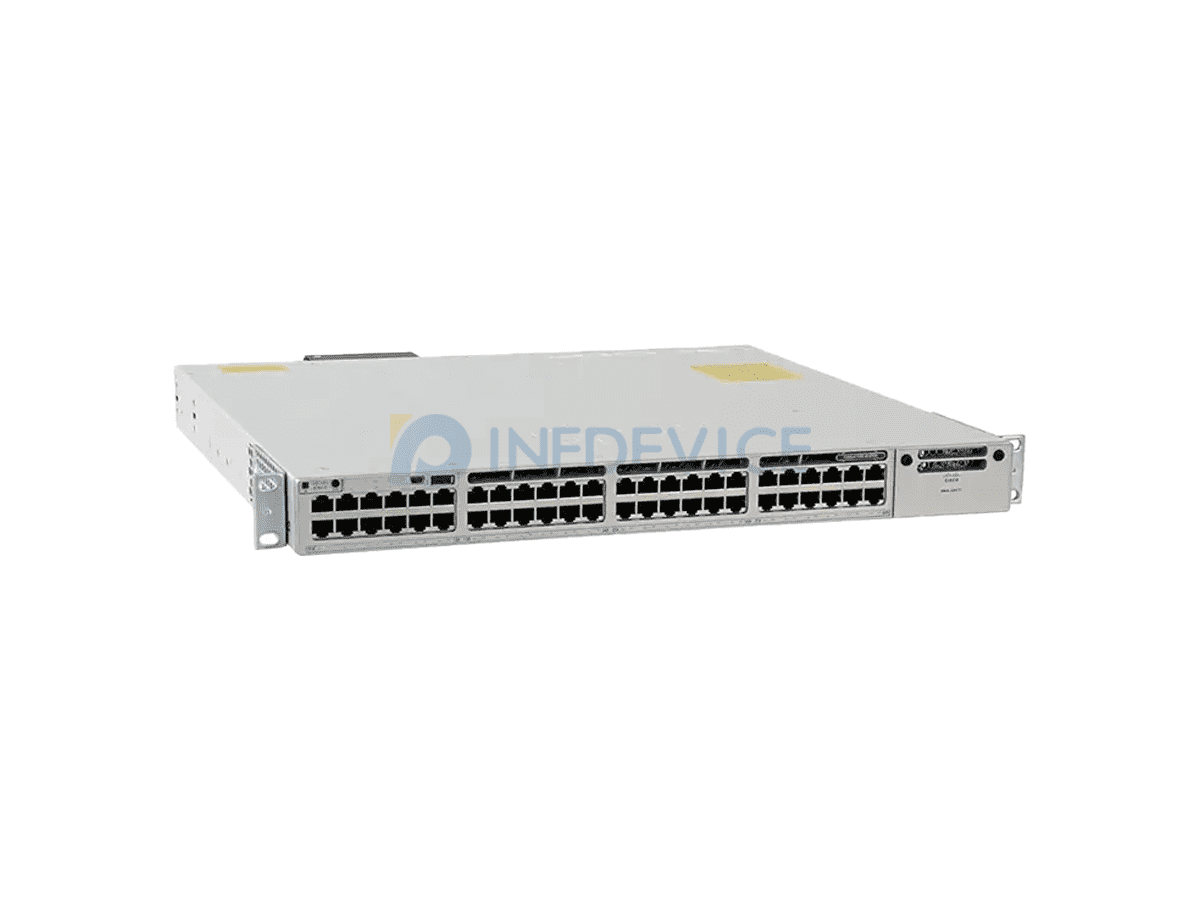
Ultimately, these devices are not competitors but complementary partners. The switch provides the high-speed, reliable wired foundation, while the wireless controller intelligently manages the wireless network that operates atop this foundation. A high-performance Wi-Fi experience is entirely dependent on a robust switching infrastructure. Recognizing their distinct yet synergistic roles is the first step toward building a scalable, efficient, and resilient network