
Intellectual Property
Hot selling product recommendations
View More



















The Compact Powerhouse vs. The Data Center Beast: A Tale of Two Cisco Switches
Alright, let's break down these two very different animals from Cisco: the WS-C3560CX-12TC-S and the N9K-C93180YC-FX. Choosing between them isn't about finding which one is "better," but about which one is right for your world. It's like comparing a nimble, ultra-efficient city car to a heavyweight, long-haul truck. Both are brilliant at their jobs, but putting the wrong one in your network would be a serious headache.
So, let's get into the nitty-gritty. The core specs tell the story at a glance.
|
Feature |
WS-C3560CX-12TC-S |
N9K-C93180YC-FX |
|---|---|---|
|
Primary Role |
Compact LAN, Branch Office, IoT Access |
Data Center Core/Aggregation |
|
Port Speed & Density |
12 x Gigabit Ethernet (10/100/1000 Mbps) ports
|
Typically 48x 10/25G SFP+ & 6x 40/100G QSFP28 |
|
Form Factor |
Compact, Desktop/DIN/Wall-mountable
|
Standard Rack-mounted (1U/2U typically) |
|
Power Draw |
Max 30W
|
Substantially higher (requires robust cooling) |
|
Forwarding Rate |
23.8 Mpps
|
Significantly higher (designed for massive data centers) |
|
Key Features |
PoE+ support (up to 240W on some models), fanless for silent operation
|
High-speed uplinks (100G), advanced data center features (VXLAN, automation) |
Just looking at that, you see they live in different universes. The 3560CX is all about being small, quiet, and sipping power. It's the switch you can hide in a closet, mount under a desk, or stick on a DIN rail in a warehouse without anyone noticing. Weighing just 1.77 kg, it's almost appliance-like. The Nexus, on the other hand, is a power-hungry performance monster built for the cold, loud environment of a data center rack. You don't just place it somewhere; you install it with purpose, planning for its power and cooling needs.
This leads to a huge difference in how they look and feel. The Catalyst 3560CX is remarkably petite. This little box is designed for maximum flexibility and operates in complete silence thanks to its fanless design—a godsend for any office, classroom, or retail space. The Nexus switch is the complete opposite. It's a heavy, standard rack-width device that demands a dedicated space. You will hear the fans, and you'll need proper ventilation.
When we dive into what they can do, the gap widens even further. The 3560CX is a solid, traditional LAN switch. It does its job wonderfully, supporting essential features like VLANs (up to 1024 of them) and various management protocols. Its party trick is PoE+ (Power over Ethernet Plus), with a budget of up to 240 watts on some models to run things like phones, cameras, and wireless access points without needing separate power adapters. The Nexus 93180YC-FX operates on another level. It's built for a world of virtualization and automation. It's designed to work with technologies like VXLAN and supports advanced automation toolkits like Ansible and Python scripts. It's for when you're managing hundreds of switches, not just a handful.
So, what's it actually like to use them? For a small business or a remote office, the Catalyst 3560CX is brilliantly simple. Its Cisco IOS operating system will be familiar to many network folks, and its silence and size make it a true "set it and forget it" device. The Nexus switch's user experience is centered on the more robust Cisco NX-OS, which has a steeper learning curve. It's for dedicated network engineers managing complex, large-scale data center fabrics.
Now, let's talk about value for money. The Catalyst 3560CX is an affordable, pragmatic solution for its target markets. You're paying for reliability, compactness, and efficiency. For a typical business, the value is high because it solves a specific set of problems perfectly without unnecessary cost or complexity. The Nexus switch is a major investment. You're not just buying a switch; you're buying into a platform that offers immense scalability and reliability for critical applications. Its price tag is justified in an environment where network downtime translates directly into lost revenue.
This brings us to their strengths and weaknesses.
The WS-C3560CX-12TC-S: The Pros & Cons
Pros: Its tiny size and silent, fanless operation are huge wins for any environment where space and noise matter.It's also very energy-efficient.The optional PoE+ capability is a major bonus for connecting a range of devices simply.
Cons: It's not a high-performance machine. The port speed is limited to Gigabit Ethernet, and the overall throughput can't compare to data-center-grade gear. It's designed for a limited number of connections.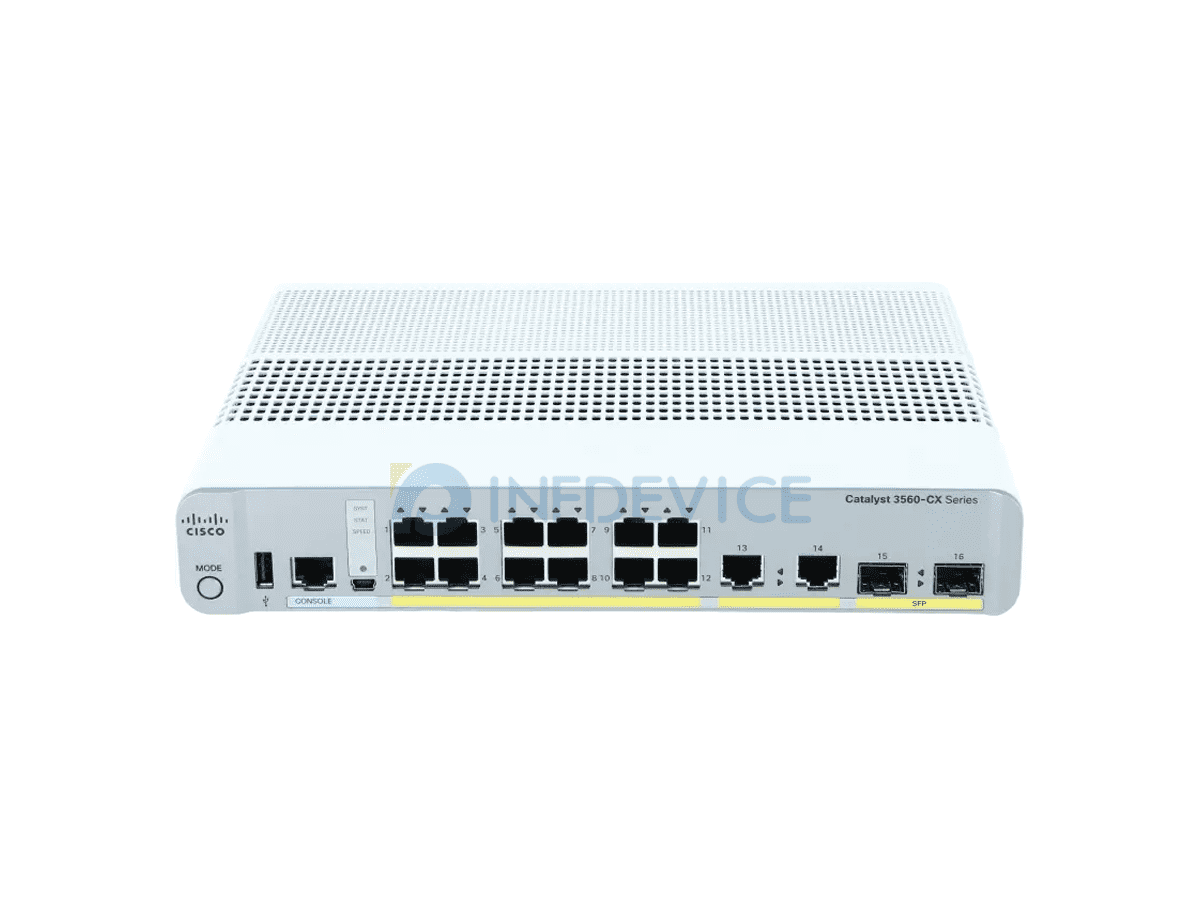 ,
,
The N9K-C93180YC-FX: The Pros & Cons
Pros: Sheer, unadulterated performance and high port density. It's built for the heavy lifting of a modern data center, with advanced features for network segmentation and automation.
Cons: It's big, loud, power-hungry, and complex. It's complete overkill for almost any scenario outside of a medium-to-large data center.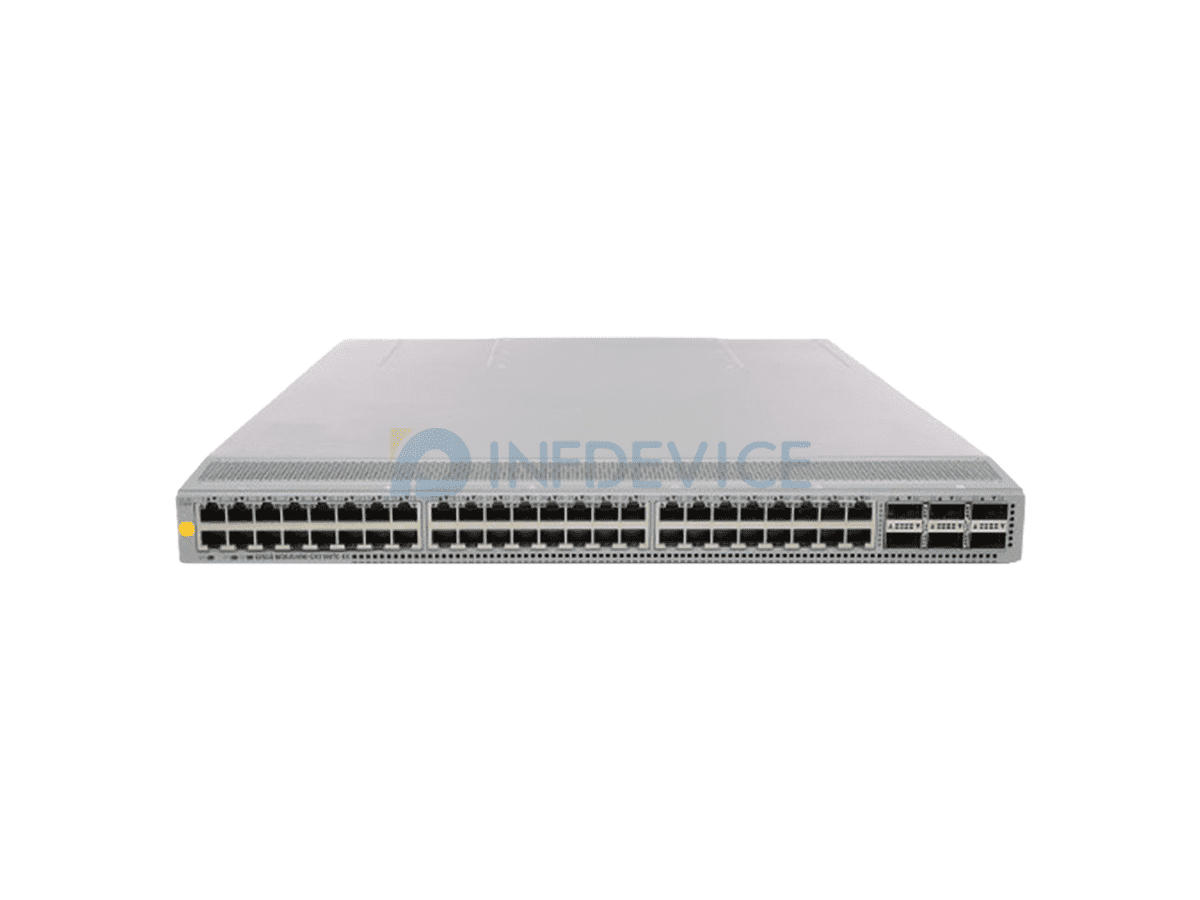
Finally, stability. Both are Cisco products, which means a strong foundation of reliability. The Catalyst 3560CX is a proven, stable platform for its intended use. It just works. The Nexus switch, however, is engineered for a different kind of "always on." Its stability comes from redundant power supplies, more robust components, and an operating system designed for high availability in the most demanding environments.
So, which one is right for you? It boils down to a simple question: Where will it live? If your switch is going in a wiring closet, a small office, or a classroom to connect computers and phones, the Catalyst 3560CX is the perfect, sensible choice. If your switch is going into a data center to connect servers and storage, and you're dealing with traffic measured in 10s of gigabits, then the Nexus 93180YC-FX is the only tool for the job. Picking the right one is all about understanding the road you need to travel.