
Intellectual Property
Hot selling product recommendations
View More




















Here's a detailed yet conversational breakdown of the Cisco C6800-8P40G-XL and C6800-8P10G-XL modules, focusing on what really matters for network architects and IT teams:
These two modules are like twins separated at birth—similar in form factor but built for different missions. The 8P40G-XL cranks up bandwidth with 40Gbps ports, while the 8P10G-XL sticks to 10Gbps but keeps costs in check.
|
Feature |
C6800-8P40G-XL |
C6800-8P10G-XL |
|---|---|---|
|
Ports |
8 x 40Gbps QSFP+ ports |
8 x 10Gbps SFP+ ports |
|
Max Throughput |
160 Gbps (full-duplex) |
80 Gbps (full-duplex) |
|
Latency |
~1.5μs (optimized for high-speed switching) |
~2.5μs |
|
Power Draw |
~588W (peak) |
~300W (peak) |
|
Transmission Range |
Up to 100km (with single-mode fiber) |
Up to 100m (Cat6a) |
|
Key Tech |
DFC4XL ASIC, supports VXLAN/SDA |
DFC4XL ASIC, VLAN stacking |
|
Cooling |
Active cooling with redundant fans |
Passive cooling (fanless) |
|
Price (Est.) |
~12,000 |
~2,500 |
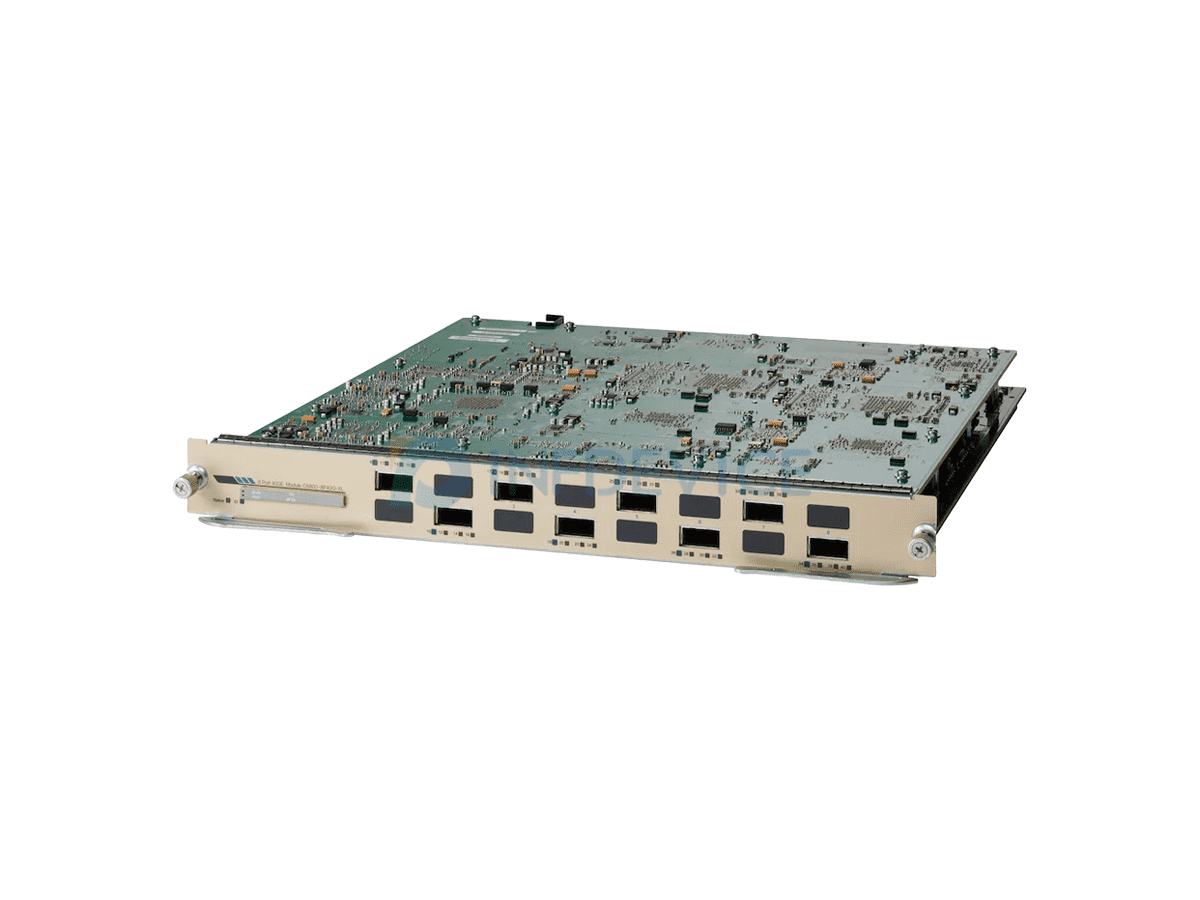
When to Use: Data centers, high-frequency trading, or anywhere 40Gbps+ throughput is non-negotiable. Think 8K video streaming or real-time analytics.
Pro: Future-proof with 40G/100G uplink options. Handles massive data spikes like a champ.
Con: Higher upfront cost and power draw. Needs careful thermal management.
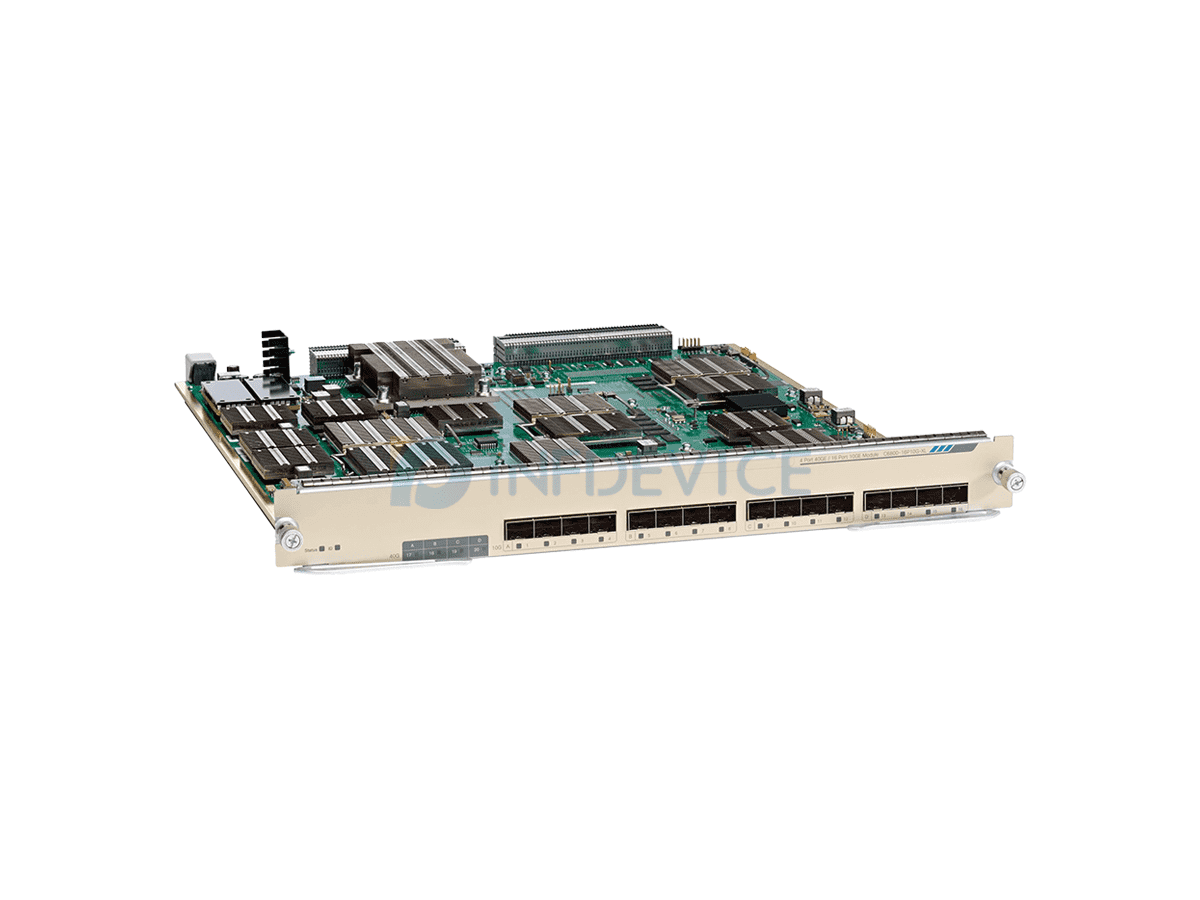
When to Use: Small-to-midsize enterprises, campus networks, or labs. Perfect for cost-sensitive projects.
Pro: Plug-and-play with standard SFP+ optics. Lower power bills and easier maintenance.
Con: Struggles with high-density 4K/8K workloads. Limited to 100m copper runs.
Data Center Backbone: The 40G module shines here. Imagine 100+ servers dumping data at lightning speed—no bottlenecks.
Office LAN: The 10G module does the job quietly. No need for fancy cooling or power upgrades.
Hybrid Deployments: Use 40G for core links and 10G for access switches. Cisco’s chassis lets you mix ’em seamlessly.
Cable Costs: 40G QSFP+ cables (100 each) are pricier than 10G SFP+ (20).
Heat Management: The 40G module runs hot—plan for extra cooling or airflow.
Skill Gap: 40G configurations (like VXLAN) require advanced networking chops.
Grab the 40G if: You’re future-proofing or handling heavy data loads. Think 5G deployments or cloud-native apps.
Stick with 10G if: Budget is tight, and speed isn’t the top priority. Ideal for basic enterprise networking.
Both modules are Cisco-solid, but your choice hinges on workload demands and long-term scalability. Plan smart, and your network won’t leave you in the slow lane.