
Intellectual Property
Hot selling product recommendations
View More




















Cisco's ASR 9000 Series Showdown: Unpacking the RSP880-SE and RSP880-TR
Hey there! If you're digging into Cisco's ASR 9000 series routers, you've probably bumped into the Route Switch Processor 880 duo—the SE and the TR. They look pretty similar at first glance, but the devil's in the details. Picking the right one isn't just about specs; it's about how it'll fit into your network's rhythm. Let's break these two workhorses down without getting lost in a jargon jungle.
First up, the core stuff. Both processors are the brains for the ASR 9000 family, but they're tuned for different beats. Think of the A9K-RSP880-SE as the steady, reliable anchor. It's often highlighted for service edge deployments, where consistency and stability are the name of the game. On the other hand, the A9K-RSP880-TR seems to lean towards packet transport roles, hinting at a design that might prioritize raw data shuffling. You'll find both listed as key components for platforms like the ASR9010, but that subtle difference in their designated roles is a big clue.
Here’s a quick look at their core parameters to keep things clear:
|
Core Parameter |
A9K-RSP880-SE |
A9K-RSP880-TR |
|---|---|---|
|
Primary Role |
Service Edge |
Packet Transport |
|
Form Factor |
Line Card Module |
Line Card Module |
|
Key Focus |
Stability, Service Integration |
High-throughput Data Movement |
When it comes to pure performance, the TR variant often gets associated with heavy-duty packet lifting. It's the one you might lean towards if your network is a busy highway needing to move massive data flows as efficiently as possible. The SE, meanwhile, seems built for environments where you're running multiple services—think security, QoS, and other intelligent features—without breaking a sweat. It's less about sheer speed and more about delivering a smooth, predictable performance that application layers can depend on.
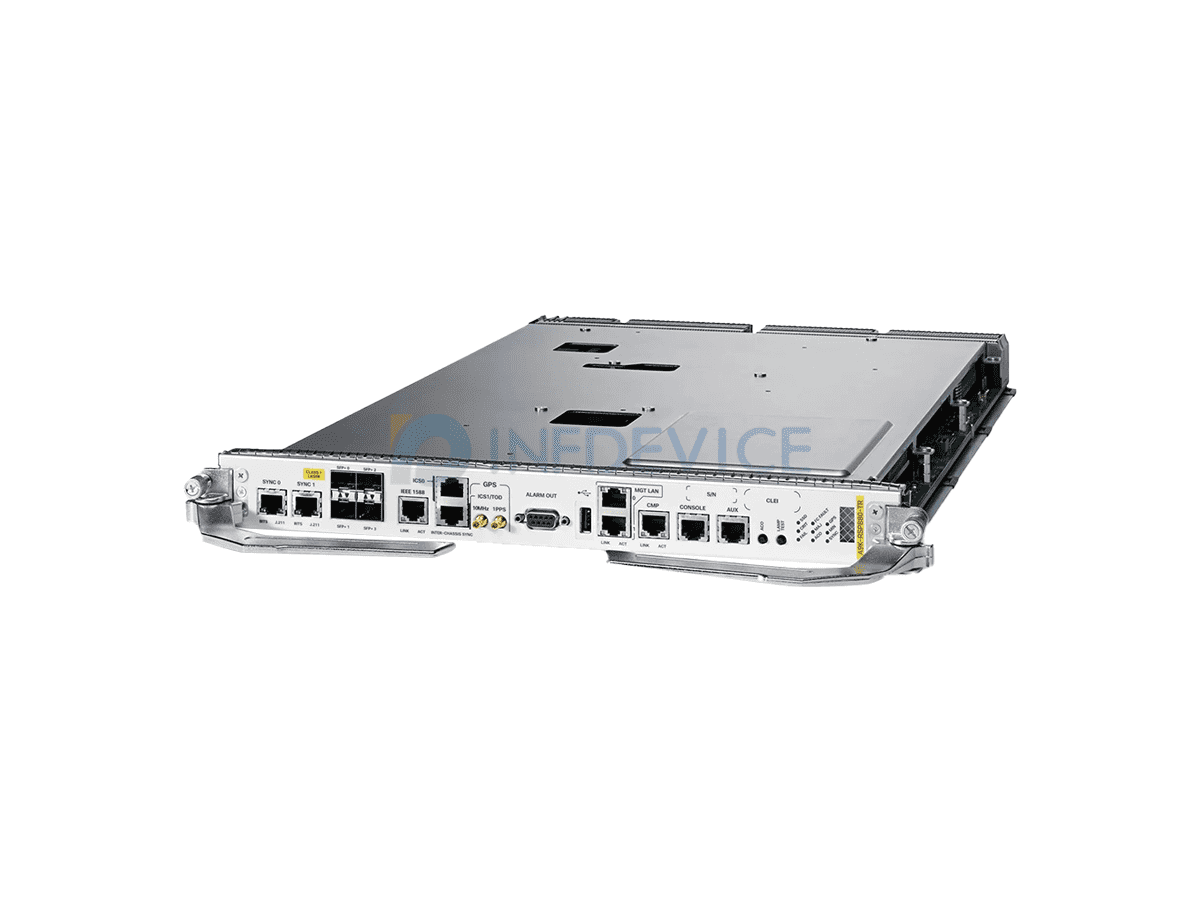
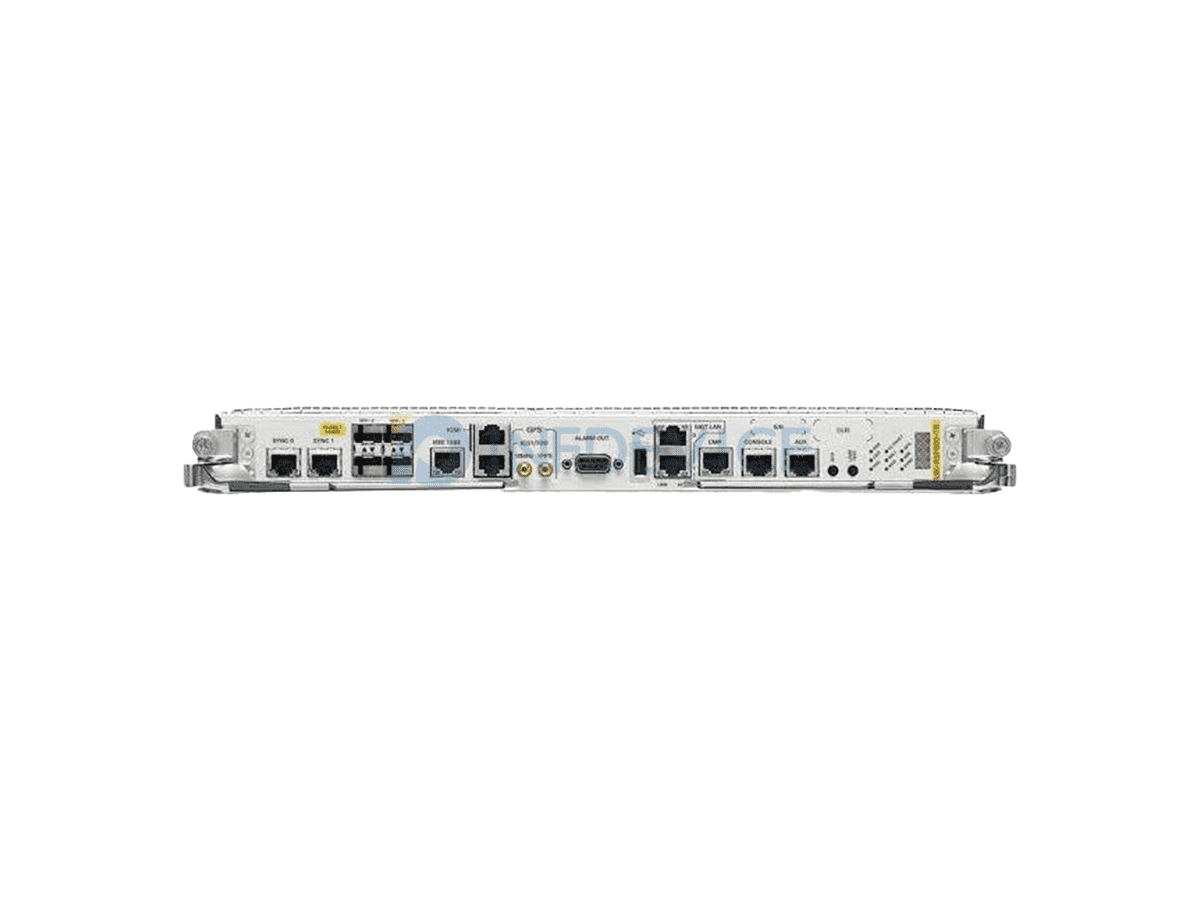
A9K-RSP880-SE A9K-RSP880-TR
Peeking at their looks, well, there's not much to see! Both come as modular line cards designed to slide neatly into the ASR 9000 chassis. You won't find any flashy colors or unique vents. The real "look" is in the labeling—the "SE" or "TR" silkscreened on the board is the main giveaway. It’s a classic Cisco approach: understated on the outside, all the magic happens on the inside.
Functionality is where they really start to diverge. The RSP880-SE appears to be the feature-rich option, likely supporting advanced services for enterprise and service provider edges. We're talking deep packet inspection, sophisticated routing policies, and enhanced security features. The RSP880-TR, focused on transport, probably excels at one thing: blazing-fast, low-overhead forwarding. It's the difference between a multi-tool and a precision screwdriver. Both are essential, but their applications are distinct.This leads directly to stability. The SE's design for the service edge suggests it's engineered for long-term, rock-solid operation while handling a complex mix of tasks. It's the processor you install and almost forget about because it just works. The TR, while undoubtedly robust, might be optimized for stability under a different kind of stress—constant, high-volume traffic where uptime is measured in packets delivered without interruption.For the admin in the trenches, the user experience differs. Working with the SE likely involves more configuration menus for service policies and granular control. It's for networks that need a personal touch. The TR experience is probably more about setting up the super-highway and watching the traffic fly, with less need for constant fine-tuning. It’s built for set-and-forget efficiency in core network segments.
Now, about value. While we can't talk specific numbers, the RSP880-SE probably offers better valuefor networks that need its versatility. You're investing in a platform that can adapt and grow with your service demands. The RSP880-TR's valueis in its specialized power; if you need a purebred transport engine, it's likely the most cost-effective way to get that performance without paying for features you'll never use.
So, what’s the final verdict?
A9K-RSP880-SE: The Best Choice For...
Networks that are all about service diversity and unwavering stability at the edge. Its biggest strength is being a versatile, reliable foundation for complex services. The potential drawback? It might be overkill—and more expensive—for a network that only does one thing: move data fast.
A9K-RSP880-TR: The Best Choice For...
The core of the network where the mission is simple: move enormous amounts of packets as quickly and reliably as possible. Its strength is its focused, high-throughput design. The trade-off is less flexibility for advanced services outside the transport realm.
In the end, your network's job description makes the choice. Are you building a versatile service hub or a high-speed data pipeline? Once you answer that, the right processor becomes clear.